What-you-must-know-before-buying-tyres-online

What you must know before buying tyres online

Tyre buying tips to help you stay safe and save more money

Buying tyres online are becoming more popular. It’s estimated that by 2020 one in every five new tyres bought will be purchased through online tyre stores. In this article, I’ll discuss whether it’s wise to do so.

Why do people buy tyres online?

This question can be answered in two words: cost; time.

Cost

Look at online tyre retailers, and you’ll be bombarded with claims of lower prices, 4-for-3 deals, and so on. It’s great when you get a bargain, isn’t it?

Time

We’re all pushed for time today, and what saves more time than shopping online? Some online retailers use systems that ask you to click on your make and model, and then they offer a list of suggested tyres. What could be easier?

To buy online, you need some knowledge

Buying tyres are different to buying a new computer, or furniture, or new shoes. For a start, none of these items is critical to the health and well-being of so many people:

  • If you buy shoes online and they aren’t quite what you thought, they may prove to be uncomfortable for a few days.
  • Drive on a set of tyres that aren’t quite what they claimed to be, and you could kill yourself… and others.

If you plan to buy tyres online, then it is crucial you know the size and type of tyre you need. If this is the case, those online headline savings may now look tempting.

Do you really need new tyres?

Knowing the correct specs for your tyre is a good start to your online shopping experience, but you also need to know whether new tyres are really necessary.

Usually, people change tyres because of tread depth. Although the legal minimum tread is 1.5mm, you should consider changing them if the depth is worn to 3mm, as there may be other associated damage.

In our tyre shop here in West Brisbane, we find that many drivers come in with tyres that are still fit for purpose. We’ll advise them if they have plenty of tread left, and no other damage that requires the tyre be changed.

If you don’t have the knowledge or experience to know that your tyres don’t need changing yet, you could be changing them way too early.

What do you pay for when you buy tyres online?

When you purchase tyres online, it really is ‘caveat emptor’: buyer beware. You won’t get advice. And that headline price may look cheaper, but don’t forget to factor in the cost of shipping and the cost of getting them fitted and balanced.
You’ll need to order in advance, too, and set a time to visit a tyre shop to have the new tyres fitted.

Perhaps I can sum up like this:

  • If you are certain that your tyres need changing; and
  • You know the tyre size and specifications that you need; and
  • You have factored in all the costs of buying online (including shipping and fitting); and
  • You are happy that you:
    • Are saving money; and
    • Don’t need advice on tyres…

then, buying online may be the way to go. But, if you’re not sure of all these things, then my advice is to visit a respected tyre shop. One with a long history of serving drivers in Brisbane. Where you know you’ll get the professional services needed to keep you, and others, safe on the roads of Queensland.

For the best tyre service in West Brisbane, contact us today. We’ll help you make the right choice for your vehicle, driving style, and budget.

Keeping your family and fleet safe,

Kevin Wood
what-is-the-right-tyre-for-tractor-users-in-Queensland

What is the right tyre for tractor users in Queensland?

Advice to help your tractor work harder and reduce costs

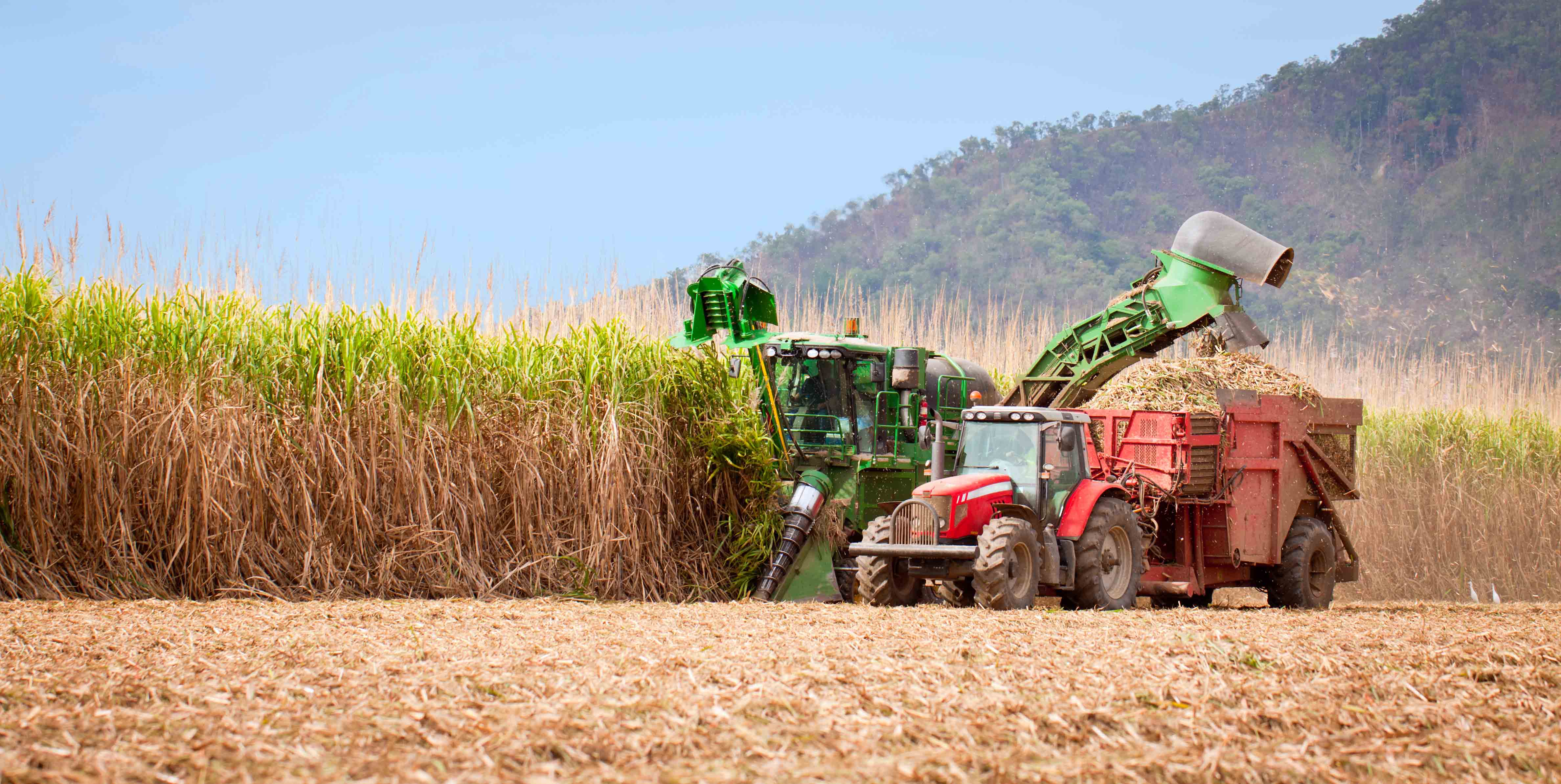
When you need new tyres for your tractor, there are plenty of options. This makes choosing your tyres more difficult. Here at Darra Tyres, it’s our job to make this choice easier. In this article, you’ll learn about the tyre options available for agricultural vehicles, and how they differ for all your agricultural needs. Knowing which type of tyre is needed should help to save you time and money and make your work more efficient.

Types of tractor tyres

There are three types of tyres for tractors. Each has different specifications, and each is manufactured for a different use.

Turf tyres

These are designed to be driven on grass and fields, particularly for mowing and landscaping jobs. They are ideal for work required on sports grounds and golf courses, as the tread patterns are less aggressive than other types.

Construction tyres

These are mostly used on hard surfaces such as concrete, gravel, and tarmac, and so are designed to resist wear and tear. The load is spread across the tyre with wider treads, creating a larger contact area with the ground.

Agricultural Tyres

This is the most common of tractor tyres, for use in fields and especially on soft soils. The large tread creates excellent traction, giving better grip and aiding work in wet conditions.

Bias-ply or radial tractor tyres: which is best?

Having identified the type of tyre you need for the work it will perform, the next choice to make is the tread type. The way the tyre is constructed, either bias-ply or radial, affects the tyre’s performance.

Bias-ply tyres

Bias-ply tyres are constructed by laying successive plies at opposing angles – most commonly, these are laid at angles of 30 to 40 degrees – creating a criss-cross pattern. This means the tyre can flex more easily. This cushions the ride, making for a smoother driving experience. However, bias-ply tyres also suffer from increased rolling resistance and lower traction, increasing fuel consumption and decreasing working efficiency.

Radial tyres

The plies on radial tyres are laid at an angle of about 15 degrees to the tread and run in the direction of the tyre. This helps to stabilise the tyre on a rough and uneven terrain. Though more expensive to buy than bias-ply tractor tyres, radial tyres are the most popular because they:

  • Provide better traction
  • Offer less wheel slippage and better handling
  • Reduce rolling resistance and fuel consumption
  • Are more resistant to cuts, tears, and punctures
  • Enable more ground to be covered in less time

Radial agricultural tyres tend to last longer than bias-ply. Your operations should benefit from greater efficiency, lower fuel consumption, and less regular tyre changes. Over the longer term, choosing radial tyres for your tractor, and making sure they are the right type for the work they will be doing, could save you a lot of money.

For your next set of tractor tyres, contact us today. We’ll help you make the right choice to reduce your costs and increase your efficiency.

Keeping your family and fleet safe,

Kevin Wood

How-can-you-reduce-your-fleet-tyre-cost-in-Queensland

How can you reduce your fleet’s tyre costs in Queensland?

The three factors of fleet tyre management

When deciding their policy for changing tyres, the three factors that should be considered by fleets are cost, safety, and the law. Though you might think about these separately, each has an influence on the other. For example, the amount of depth remaining on the tread affects safety on the road. Waiting longer before changing tyres may reduce your costs, but it could put your fleet’s drivers in danger.

In this article, you’ll learn how to balance these three factors, and how your drivers can help to reduce tyre costs and fleet impact of downtime while tyres are being changed.

The tyre law in Queensland

By law, tyres must have at least 1.5mm of tread depth to be legal on the roads in Queensland. This must be the depth around the entire tyre and its width. If you drive on an illegal tyre, you could be given an on-the-spot fine and demerit points. It pays to know when you need new tyres, yet it is estimated that one in three Australians is currently driving on illegal tyres. A new tyre will have 8mm of tread depth.

The safety factor for fleet tyres

Tyres are essential tools for the safety of your fleet’s drivers. Braking distances are determined by several factors, and condition of tyres is high on the list. No matter how good a driver’s reflexes and the condition of the road, braking is dependent upon the grip the tyre has on the road.

If your fleet’s vehicles are being driven on tyres with 1.5mm tread, the distance they require to stop is 38% more than on a new tyre with 8mm tread depth. The danger of crashing in a fleet vehicle is increased when drivers switch between vehicles, as anticipated stopping distances differ between vehicles with tyres at different stages of wear.

It is also worth remembering that not all new tyres perform equally. Even though new tyres have the same 8mm tread depth, a premium brand tyre is likely to perform better than a budget tyre.

The cost factor for fleet tyres

If a fleet changes tyres too early, it can drastically increase costs. The greater the depth when you change tyres, the more often you will need to change them.

Development of new tyre technologies by tyre manufacturers is increasing tyre safety, and so you should be able to change at a lower tread depth. Research by Michelin has shown that changing tyres at 3mm or 4mm instead of 1.5mm leads to an extra tyre change every two years. Those sorts of costs soon mount up.

If your policy is currently to change when the tread depth reaches 2mm, increasing this to 3mm could increase your tyre costs by almost 20% – not an insignificant amount when your tyre costs may be as much as a third of your fleet’s maintenance budget.

How to reduce tyre costs for your fleet

As a company running a fleet of vehicles, you’ll need to take all the above factors into consideration to minimise costs, ensure your vehicles’ tyres are legal, and ensure the safety of your drivers. And your drivers could help you to keep your tyre costs low.

There are tricks that can be used to make commercial tyres last longer – such as never overloading, always checking tyre pressures, and using a good driving technique. But these are not the only ways in which drivers can have an impact on your costs. By using our fleet tyre management service, you can help your drivers take more responsibility for their tyres. By booking tyre services outside of work hours and calling ahead to make sure that the tyre dealer has the right tyre, downtime can be reduced – and that’s a positive contribution to your bottom line.

To find out more about the fleet tyre management services offered by Darra Tyres in Brisbane, contact us today. We’ll help you get the maximum number of kilometres from every tyre in your fleet.

Keeping your family and fleet safe,

Kevin Wood

with-these-intelligent-tyres-fleet-tyre-management-is-on-autopilot

Is a space saver tyre the best choice for drivers in Brisbane?

Helping you make the best decision when buying a new tyre in Queensland

Some drivers we meet here in Brisbane love them. Some hate them. They’ve become very popular with vehicle manufacturers. I’m talking about space saver tyres – the temporary use tyres provided as the spare in many new vehicles. They are cheaper, more convenient, and, as their name suggests, take up less space in the trunk. But are they really good enough as a spare, or should you switch to a conventional spare tyre?

The advantages of space saver tyres

Tyre manufacturers first produced space saver tyres to use as spares for the smaller cars being made. And there are several advantages over normal-sized tyres. These include that they:

  • Take up less space and are lighter. Great for compact hatchbacks.
  • Are easier to change the tyre after a blowout, because they are lighter.
  • Leave more space for luggage.
  • Are better on fuel consumption, because they are lighter.

They are usually cheaper than a proper tyre, meaning you have fewer dollars tied up in an unused spare tyre. That’s a big benefit to those who drive luxury cars with expensive tyres.

However, there are some disadvantages, too.

The disadvantages of space saver tyres

If space saver tyres were only beneficial, everyone would like them. So, what are the disadvantages of space saver tyres?

  • First, they have a very limited life. You can only drive on them for around 400 to 500 kilometres.
  • You will also have to limit your speed. 80km/h is the maximum, meaning your journey will take longer than expected.
  • Steering and braking won’t be as good as on proper tyres. Emergency manoeuvres will be more difficult to make.
  • Finally, and one that many people don’t think about, the full-size tyre you remove may not fit into the space for the space saver tyre. That means juggling with your luggage, perhaps even needing passengers to travel with a suitcase on their laps until you get to the next tyre specialist.

Should you choose a space saver tyre as your spare?

If you’re buying a new car, you might be given the option of a space saver or a proper tyre as your spare. If you are switching out a space saver after a flat or tyre damage, you might be thinking about a full-size tyre as your spare. Before making your decision, here’s what you should think about:

Do you need extra room in your trunk?

If room is at a premium and luggage space is important, a space saver could give you the extra space you need.

What type of road do you drive on?

If you mostly drive on quiet roads that are well maintained, the potential handling issues of a space saver tyre are likely to be less of an issue than if most of your driving is done on busy roads full of potholes.

What distances do you drive?

If you plan to drive hundreds of kilometres, perhaps on a road trip or for work, you could find yourself a long way from a tyre specialist. If you are pressed for travel time, the need to drive more slowly on a space saver tyre could make you miss an important appointment.

Affordability

Though we never recommend choosing your tyre based only on the cost of the tyre, affordability may be an issue – especially if you need to buy two tyres (one to replace the proper tyre, and one to replace the space saver).

Whichever tyres you buy, make sure you maintain your spare

Whichever type of tyre you own as a spare, don’t neglect it. Make sure it is inflated correctly before you go on a long journey. Take it out of its hiding place regularly to check that it is fit for purpose. When you bring your car in for a tyre change, I’ll know if you don’t check your tyres regularly.

If you need a new spare or want your tyres checked in Brisbane, contact Darra Tyres today. We’ll be pleased to help you make the best decision for all your tyre needs, considering your vehicle, where you drive most, the type of driving you do, and your budget.

Keeping your family and fleet safe,

Kevin Wood
with-these-intelligent-tyres-fleet-tyre-management-is-on-autopilot

With these intelligent tyres, fleet tyre management is on autopilot

Goodyear continues to revolutionise through tyre research and development

The research and development team at Goodyear Tyres have done it again. At the Geneva Motor Show, they’ve unveiled three prototype tyres that could reduce pollution, self-monitor tyre condition and performance, and increase tyre life by up to 30%. They’re not available to buy commercially – yet – but certainly, show us the shape of tyres of the future. Here’s a glimpse of the black circles your fleet may be driving on in years to come.

A living tyre that cuts pollution

Could tyres really be the answer to clearing smog-filled cities? If Goodyear’s Oxygene tyre were used on all the vehicles in a city, air pollution could be eliminated. That’s the claim by Goodyear, which has estimated that in a city the size of Paris it would be possible to absorb 4,000 tonnes of carbon dioxide and create 3,000 tonnes of oxygen. How can a tyre achieve this?

The Oxygene is a living tyre. Moss grows in the sidewall. As the tyre travels over the road, this moss absorbs water from the road surface and carbon dioxide from the air. Through a process of photosynthesis, the tyre turns that carbon dioxide into oxygen. Genius!

It’s not only oxygen that the tyre can create. It also produces electricity. Enough to power onboard electrics. The tyre also has an LED strip that changes colour when the driver manoeuvres – warning other drivers that you are changing lanes, for example.

The Oxygene tyre also connects to the Internet of Things, using Li-Fi internet technology – a system used by Goodyear’s Intelligent prototype, too.

Intelligent tyres monitor themselves

Now here’s where it gets really interesting for fleet managers.

Goodyear’s Intelligent prototype tyre shows just how far technology could take tyres in the future. Goodyear’s Director of Consumer Technology, Percy LeMaire, has suggested that some of the elements of this tyre could become mass marketed reality soon. Here’s what this tyre does for you:

  • Monitors wear and tear temperature and tyre pressure
  • Reports tyre issues to the driver and fleet manager
  • Estimates how long it will last
  • Communicates with other vehicles, warning of road and weather conditions

Imagine that. A tyre that tells you when it needs more air, when it will need to be replaced, and alerts your entire fleet to routing problems due to road conditions.

At last – tyres designed for electric vehicles

Much is made of the green credentials of electric and hybrid vehicles. What isn’t publicised much is that tyres used on an electric vehicle have a shorter range. The high torque produced wears tyres more quickly. And the noise the tyre makes is a bigger issue than on standard vehicles.

At Geneva, Goodyear also unveiled a prototype that could reduce tyre noise on electric vehicles and increase range by up to 30%.

Get the best life from your tyres today

Such tyre evolution as being produced by Goodyear’s R&D teams could transform tyre management in fleets. Automatic alerts on wear and tear, tyre pressures and road conditions could help fleet managers cut tyre costs, extending tyre life and reducing fuel consumption. Instead of being reactive to tyre condition, you could be managing your tyres proactively.

Until the time arrives when these groundbreaking features are standard issue on all new tyres, the best way to maintain peak performance from your Brisbane fleet’s tyres is to use Darra’s Fleet Tyre Management Service. Contact us today to find out more.

Keeping your business and fleet safely on the road,

Kevin Wood

8-reasons-your-tyres-are-noisy-on-Queensland-roads

8 reasons your tyres are noisy on Queensland’s roads

If the sound that your tyres make on the roads in Queensland makes you grate your teeth or gives you a mini migraine, it probably isn’t the quality of the roads that are the problem. There are several reasons your tyres could make a terrible noise. Contact with the road is only one of them.

In this article, you’ll learn the reasons why your tyres are so noisy. As you’ll realise, eliminating that irritating noise is mostly in your control.

  1. You’ve bought a tyre with large grooves. This means there is more air pushing through the tread, and this leads to a noisier tyre.
  2. You have recently rotated your tyres (helping to reduce uneven wear and increasing the life of the tyres). The noise will subside shortly.
  3. Your tyres are underinflated, making them screech and squeal as you turn corners or take bends. Inflate your tyres to the correct air pressure.
  4. You are driving your car at high speed, forcing the air through the tread at a faster rate. This increases the noise the flow of air makes. Either slow down or change your tyres for a set made for faster driving speeds.
  5. Accelerating fast from a standstill can cause screeching. It also wears the rubber faster. Keep the noise down by pulling away at a steady pace, and your tyres will last longer. Those boy racer driving tactics are expensive.
  6. Screeching is also caused by late and hard braking. Driving too fast or too close to the car in front is dangerous. Keep your distance, stay focused, and brake easier by reacting to the brake lights of the vehicle in front of you.
  7. Driving with a heavy load, pushing your tyres flatter to the road. Never drive with an excessive load, and always maintain the correct tyre pressure for the load you are hauling.
  8. If your wheel hums and the humming gets louder the faster you drive, it could be that your wheel bearings are not working properly. Worn wheel bearings could affect steering and safety. Get them checked immediately.

Wear and tear on tyres will affect the way your car handles over time. The change in noise that your tyres make may be the first indication that your tyres need attention, or it could be a symptom of poor driving technique.

When listening for a change in tyre noise, remember that driving on tyres that are made for heavy loads will be noisier. For a quieter drive, asymmetric treads are best. Tyres with directional treads are usually louder.

If you notice a change in the noise your tyres make on the roads around Brisbane, call Darra Tyres. Our experienced technicians will help you pinpoint the reason your tyres are making excessive noise, and help you choose the best tyre for your vehicle, the roads you drive on, and your driving style. They will also give you some handy tips on how to make your tyres last longer.

To get (probably) the best tyre service in Brisbane from friendly and expert technicians, contact Darra Tyres.

Keeping you safe on the roads,

Kevin Wood

tips-for-effective-forklift-operation-in-Brisbane-in-autumn-and-winter

Tips for effective forklift operation in Brisbane in autumn and winter

Create good habits to increase safety and efficiency

We may only be partly through summer in Brisbane, but a recent conversation with a friend in Europe got me thinking about forklift safety in autumn and winter here in Queensland. We’re lucky that we don’t have to deal with the harsh winter conditions they experience in countries like France, Switzerland, and Italy.

Forklift operators in the extremely cold winters of Finland and Norway have it even tougher. They need to use accessories like snow chains on their tyres for months at a time. No need for snow chains here in Brisbane, but with autumn approaching, it is time to make certain that your forklift operations will ensure you maintain safety and productivity as the weather changes.

In this article, you’ll learn a few forklift tips that will help operators stay safe and save money on your forklift tyres through autumn and winter.

Seasonal problems facing forklift operators in Queensland

As the weather changes, drivers experience wet and slippery conditions. The colder weather affects both forklift and driver. Fog season affects visibility.

To mitigate such problems, take care of your forklifts and your operators.

Keep on top of forklift tyre maintenance

There are several forklift tyre maintenance checks that are essential. You may already be doing these – that’s best practice – but if you aren’t, you must change your routine for the winter. Here are a few tips to keep your forklift tyres in top condition and most effective in the autumn and winter:

·      Check air pressures every day

Temperature plays with air pressure. The colder it gets, the lower the pressure moves. When a forklift tyre is underinflated, the driver loses traction. The slippery ground becomes even more slippery. Accidents increase, causing damage to goods and people.

On the other hand, if the weather warms up, the air pressure in a tyre increases. This is when blow-outs occur.

Check tyre air pressures daily. Make sure they are inflated correctly. You’ll suffer fewer accidents and increase the life of your tyres.

·      Check tread depth

Correct tread depth gives the right amount of traction, making handling better and driving safer. The driver has a more comfortable ride, and braking is more efficient.

·      Check general forklift tyre condition

Check your tyres for cuts, scrapes, and bulging, as well as bald patches and uneven wear. You can learn a lot from the condition of your forklift’s tyres – including how operators drive your forklift. If any damage or excessive wear is noticed, deal with the issue quickly – safety is at risk, as well as productivity.

Make sure you know how to tell it is time to replace your forklift tyres.

Keep your operator safe in colder weather

Make sure your forklift operators are prepared for colder weather conditions. They should:

  • Wear appropriate clothing, including gloves and hats if needed.
  • Take breaks to rest eyes and warm up from being in the colder weather
  • Allow forklift trucks to warm up properly
  • Ensure that there is enough lighting for safe operation when working outside
  • Tell your operators to:
    • Slow down
    • Stop working if it is unsafe to continue (e.g. poor visibility, torrential rain, or slippery ground)

(Read our article “7 tips to help forklift operators increase warehouse safety”, for more general safety advice.)

Keep your forklifts in top condition

Paramount to safety and efficiency, you’ll want to keep your forklifts in top condition. Here are some tips to help you do so:

  • Keep your forklifts clean
  • Undertake daily checks, paying special attention to fluids, moving parts, and tyres
  • Keep batteries fully charged

Create good forklift operation habits all year

I’ve written these tips because they are so relevant for the change in weather that is approaching. But in truth, most apply all year. By checking your vehicle and tyres daily, you’ll get better use from them. They’ll last longer, and maintenance issues will be quickly recognised and cheaper to deal with. Most importantly, keeping your forklift and its tyres in good condition will help to increase safety in the workplace.

Are you certain that you are maintaining your forklift effectively? When was the last time you benefitted from a tyre check on your forklifts? To find out about our comprehensive tyre services and how they could help you cut costs on your forklift operations, contact Darra Tyres.

Keeping you safe on the road and in the workplace,

Kevin Wood

top-tyre-buying-tips-for-drivers-in-Brisbane

Top tyre buying tips for drivers in Brisbane

Four steps to the best tyres for you and your vehicle

So, you need new tyres, do you? It had to happen sometime. It may be that the noise your tyres are making is telling you to replace them, or you’ve spotted those bald patches and bulges developing. Whatever the reason, now comes the hard bit. What tyres should you buy? There appears to be an endless array of tyres on the market. Different types of rubber compound. Different treads. Low profile. Then there is the size to consider. And what about load ratings?

In this article, you’ll learn how to make the best choice of new tyres for you and your car. These simple tips will ensure that the tyres you buy give you a comfortable drive, reduce fuel consumption, and, most importantly, keep you as safe as possible.

Tip #1: Know what your tyres are needed for

One of the most important things to tell a tyre dealer when you are buying new tyres is what type of driving they are needed for. These are the types of question you should answer:

  • Do you drive at high speed?
  • Are the roads you drive on mostly highways and motorways?
  • Are most of your driving done on urban streets?
  • Do you drive in wet conditions?
  • Do you want a tyre that reduces road noise and operates well on wet and dry roads?

Tip #2: Match the tyre size to your car and driving style

The best way to size a tyre is to follow two rules:

  • Buy the size recommended by your car’s manufacturer
  • Buy the size that is best for your driving habits and requirements

Most commonly, a car manufacturer will recommend several sizes. Among these, you will find the best fit to both the above rules. Your tyre dealer will help you with this.

Tip 3: Gen up on your tyre knowledge

Before you go to the dealer, it’s worth spending a little time researching. Read trade magazines or surf the internet to find reviews, expert tyre tests, and ‘real people’ comments. When reading reviews and tests, remember that they should relate to your needs and driving habits. So, drill down to the details that are most relevant, rather than basing your own conclusions on the overall rating of a tyre.

Also, don’t forget that most tyre reviews in magazines will have been conducted over a few hours or days. A customer review made after months of use may be better. Tyre manufacturers’ own tests are also made over a long period of time, so although you might consider them biased, they could be more accurate than magazine reviews.

A half hour of research will help you make a more informed decision. It will help you acquire enough knowledge to understand what the dealer is talking about when they discuss your needs.

Tip #4: Don’t be afraid to ask questions

The tyre dealer may choose a tyre for you or offer a choice of different brands. Before selecting, ask for an explanation of the pros and cons of each. If the dealer gets too technical (it’s something that we do when we get carried away – we do love our tyres!), don’t be afraid to tell the dealer to slow down and explain what they mean. Especially, ask about the benefits that each feature of a tyre gives you, in your car, on the roads you use, and in the way that you drive.

In a few words – if in doubt, shout!

Always buy the best tyres for your vehicle

If you follow these four tyre tips, you will always buy the best tyres for you. They will suit your driving habits, your vehicle, and the roads on which you drive. This means you will benefit from longer tyre life, lower fuel consumption, and a more comfortable and safer drive.

To get a great tyre deal in Brisbane, from friendly and expert technicians, contact Darra Tyres.

Keeping you safe on the roads,

Kevin Wood

what-are-the-four-most-critical-forklift-parts

What are the four most critical forklift parts?

Maintenance tips to keep forklift operation costs down

Every machine has parts that it can’t operate without. These must be maintained properly to ensure you get the longest and most effective wear from them. Forklift trucks are no exception. They are used every day, in some plants and factories 24/7. This level of use hammers forklifts and can add huge costs to your operation. Like all machinery, some parts are more critical than others.

Ensuring that you check and maintain these four parts properly will improve workplace safety, increase productivity, and decrease costs associated with forklift maintenance.

1.    All the moving parts

OK, so a bit of a cheat here, but ALL the moving parts must be effectively maintained. You must ensure that they are properly lubricated. This reduces damage caused by friction. Make sure that bearings are inspected and changed when they are worn.

Don’t neglect rust on your forklift. Rust also increases friction between moving parts and increases damage.

If you run a forklift with worn parts, you risk damaging other parts. You will get less effective use, the engine will need to work harder, and eventually, the worn part will cause damage to other parts. Neglecting the moving parts of your forklift only increases the possibility of a very expensive breakdown.

2.    Forklift fluids

Fluids – including hydraulic, brake, antifreeze, and gas fluids – must be checked regularly. Make it part of your daily check routine, and you will quickly notice if something is amiss. Low fluid levels can be catastrophic:

  • Radiators should be checked for leaks
  • Check the oil
  • Ensure that hydraulic fluids are maintained
  • Keep the coolant topped up

Ignore these basics at your peril. Daily checks and records will ensure that your forklift operates at peak efficiency. Rapidly depleting fluids will quickly alert you to possible maintenance issues that must be dealt with.

3.    The dashboard

Forklift drivers should have one eye on the dashboard at all times. Gauges and warning lights alert drivers to engine problems and low fluid levels. If these gauges and warning lights aren’t working, you risk lessening the life of your forklift. You also risk dangerous operation.

It is essential that a forklift’s dashboard works, and works well. You wouldn’t want to drive a car without a functioning dashboard. A forklift is not the exception that proves this rule.

4.    Forklift tyres

Forklift tyres may be the most crucial of all moving parts on your forklift. They are expensive elements of a forklift, too, and so must be treated well to lengthen their life and reduce your costs.

Tyre maintenance is essential. The condition of your forklift’s tyres affects efficiency, driver comfort, and safety. Ensuring that you get the best life from your tyres starts before you buy new forklift tyres. You must know how to choose forklift tyres for the job and type of forklift.

To get the best life from your tyres, do these three things:

Are you certain that you are maintaining your forklift effectively? When was the last time you benefitted from a tyre check on your forklifts? To find out about our comprehensive tyre services and how they could help you cut costs on your forklift operations, contact Darra Tyres.

Keeping you safe on the road and in the workplace,

Kevin Wood

can-tyres-really-be-environmentally-friendly

Can tyres really be environmentally friendly?

What you should consider before buying sustainable tyres in Queensland

One tyre trend that I’ve noticed growing in the last few years is with concern about the environment. More people buying tyres are asking ‘green’ questions, and major tyre manufacturers are producing more sustainable tyres.

In this article, you’ll learn how sustainable tyres differ from ‘ordinary’ tyres, and what you should consider before investing in a set of these new environmentally friendly tyres.

What do people want from ‘green’ tyres?

As the world goes green, there’s increasing awareness of the impact that tyres have on the environment. The biggest and most talked about impact is fuel consumption. Tyre manufacturers have spent fortunes on research and development to decrease fuel consumption. Modern tyres now grip the road better, offer a safer and more comfortable drive, and offer less road resistance. All these factors mean you drive further between refuelling stops.

Next on the list is concern about the raw materials used in the manufacture of tyres. Again, tyre manufacturers have worked hard in this area. Because of improvements in design and manufacturing processes over the years, tyres last way longer today. A good set of tyres – driven on correctly and rotated properly – should last up to 100,000 kilometres. This longevity means less rubber consumption per vehicle on the road. Manufacturers have also worked hard to innovate production processes to reduce or even eliminate the use of harmful chemicals in tyre manufacture.

A third environmental impact that drivers are concerned about is road noise. While it’s important to listen to what your tyre noise is telling you, it is also considered to be a nuisance, especially in built-up areas. A tyre with a low rolling resistance will produce less noise.

Could ‘sustainable’ tyres make an environmental difference?

Sustainable tyres use materials from different sources. Much of the material used to manufacture them is recycled, and the binding process has been tweaked accordingly. They should provide the same driving experience, but in a more environmentally friendly way.

The goal is greener tyres, greener materials, and greener manufacturing processes, without a reduction in safety, fuel consumption, and tyre life. Big manufacturers like Goodyear, Bridgestone, and Michelin are leaders in the field.

What you should consider before buying sustainable tyres

There’s no doubt in my mind that sustainable tyres are the future. But are they the present? Here are two things you should consider before replacing your current tyres with sustainable tyres.

Cost of tyres

Sustainable tyre manufacturer is still in its infancy, and this means that they are more expensive than their mass-manufactured counterparts.

Tyre safety

Infancy is also a factor when considering your safety. Existing tyres and manufacturing processes have decades of history behind them. The new sustainable tyres don’t have this benefit. Recycled materials may be great in colder climates, where they have been extensively tested, but can the same be said when driving on them in the middle of a baking hot Queensland summer?

Of course, manufacturers will overcome these concerns in time. Eventually, sustainable tyres will offer a safer and more comfortable drive.

Recycling of tyres is catching up with recycling of other waste

Here in Australia, we recycle almost 60% of our waste. Tyre disposal has lagged these efforts. This is changing.

The days of seeing huge tyre mountains and landfill sites stuffed with old tyres may be coming to an end. More tyres can be regrooved and retreaded today. And instead of a landfill, when tyres are past their useful life they are equally likely to be turned into ‘earth fill’, for the construction industry and infrastructure projects such as building dams.

Old tyres can even be recycled into oil and fuel, as Australian start-up GDT is proving.

One day, you may be driving on sustainable wheels, with your engine lubricated and powered by recycled rubber.

Darra Tyres – keeping you informed of your future on the road. To find out about our comprehensive tyre services, contact Darra Tyres.

Keeping you safe on the road,

Kevin Wood

1 13 14 15 16 17 28
>