All Posts by Kevin Wood

Read-this-warning-before-you-go-large-on-new-tyres

Read this warning before you go large on new tyres

New tyre tips to stay legal when you modify your vehicle

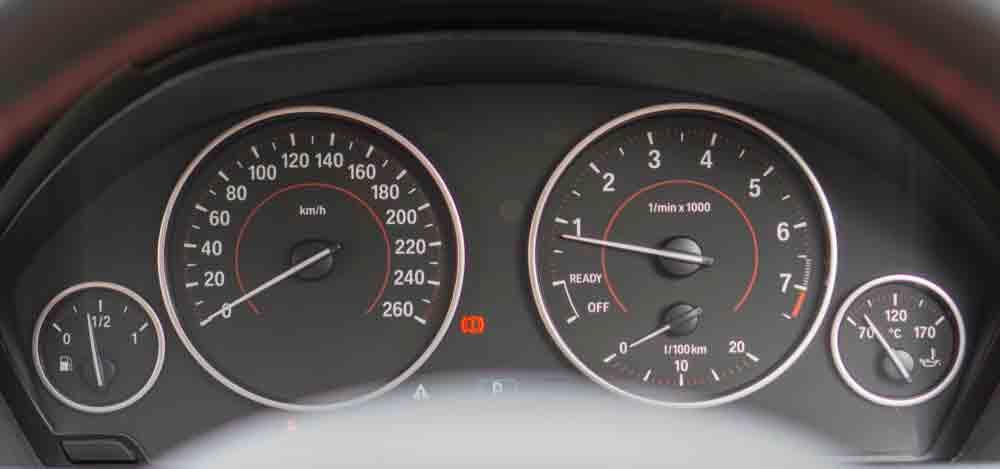
In my last article, “Should you check your speedo when you fit new tyres?”, I explained how fitting the wrong-sized new tyres on your vehicle could lead you to break the speed limit even though your speedometer tells you otherwise. This isn’t the only problem you may have if you want to supersize your tyres.

Why you might want larger tyres

If you want extra power, there are many things you can do to your vehicle. You might decide to refit the engine and have it tuned especially for the job your vehicle needs to do. You might fit a supercharger, upgrade the suspension, or replace the turbo.

None of these upgrades will help your vehicles grip on the road. All the power in the world will add up to nothing if you can’t get traction. So, naturally, you’ll look to new tyres. Bigger is better, right? Especially when it comes to grip on the road. A tyre with a wider diameter will give you that grip. It could also void your insurance.

Stay legal with larger tyres

Whatever new tyres you have fitted, they must comply with the law. If you are modifying your vehicle in any way, you must do so in line with the National Code of Practice for Light Vehicle Construction and Modification (NCOP) Vehicle Standards. Regarding new tyres, this code is clear that:

  • New tyres fitted to 4WD passenger vehicles must not be more than 50mm wider in diameter than the tyre size designated by the vehicle’s manufacturer
  • New tyres fitted to off-road passenger vehicles must not be more than 50% wider than the vehicle manufacturer’s recommended widest tyre

You’ll find the manufacturer’s recommendations on the tyre placard on the door jamb, or in the owner’s manual.

Whatever modification you make, you must also ensure that no part of the wheel or tyre touches:

  • Any part of the body of the vehicle
  • The chassis
  • The steering mechanisms
  • The braking system
  • The suspension

Also, when aligned straight, the wheels must be housed within the bodywork – they cannot stick out from the side of your vehicle.

Modify your vehicle legally

If you are modifying your vehicle, and there are many reasons why you might wish to do so, the chances are that you’ll need to consider what to do with your wheels and which new tyres to fit.

A larger-diameter tyre will improve clearance if you do a lot of off-road driving. Increasing the diameter of your tyre will give you the added traction you need to benefit from increased power and retain safe braking distances.

However, by modifying your wheels incorrectly you run the risk of the modification being illegal. If you get into an accident and this is the case, your insurance will be void. You could find yourself with a huge cost to pay.

Modifying your vehicle and fitting new tyres without the technical know-how and legal knowledge is not a smart thing to do. Instead, bring your vehicle into our tyre shop in Darra. We’ll help you decide on the best modification and the best tyres to get the most from your vehicle while staying legal and ensuring your insurance covers what you believe it does.

For a professional and personal tyre service that you can trust, contact Darra Tyres today.

Keeping your family and fleet safe,

Kevin Wood
should-you-check-your-speedo-when-you-fit-new-tyres

Should you check your speedo when you fit new tyres?

The wrong-sized tyres could land you with a speeding fine

The Head of Engineering at the Royal Automobile Club of Queensland (RACQ) has recently warned motorists that if they have new tyres fitted, they may need to consider having the speedometer checked. If you have new tyres fitted, you could drive faster than the speed limit without realising it. I know this sounds strange, but let me explain.

Why you may drive faster on larger tyres

If you have new tyres fitted that are larger than recommended by the car manufacturer, it could mean that your speedometer doesn’t show the real speed at which you are driving. You may think you’re travelling at 60 kph, but you could be moving at nearer 70 kph or faster.

This is because larger tyres move relatively faster than smaller tyres. One revolution of the axle will turn your tyres one revolution. A larger tyre may be, say, 115 cm in circumference, compared to a smaller tyre with a circumference of, say, 100 cm. Though your axle is rotating at the same speed, the larger tyre will move you a greater distance – an extra 15 cm per revolution.

When it is manufactured, a vehicle’s speedometer is calibrated to record the speed based upon the manufacturer’s recommended tyre size. In our example, it records one revolution of the axle as 100 cm. If you are driving with larger tyres, your vehicle records the same speed even though you are moving a greater distance.

So, in our example, you may think you are travelling at 60 kph, but because your tyres are 15% larger, you will be travelling at 69 kph.

How to avoid breaking the speed limit because of new tyres

Australian law says that the speedometer should be calibrated on the safe side. This should be around 10% to 15% faster than your actual speed. In other words, the speed that your speedometer tells you that you are travelling at will be faster than your actual speed. You believe you are travelling at, say, 110 kph and your actual speed is likely to be 100 kph.

So, how do you make sure that your speed is not faster than it should be?

When you have new tyres fitted, the technician should refer to the tyre placard found on your door jamb. This tells us what size tyres match the vehicle. Providing the tyres fitted are the right size as per the manufacturer’s recommendations, then you should not get a misreading on your speedometer. With the right tyre size fitted, if your speedometer tells you are driving within the speed limit, then you should be fine.

Don’t rely on your Sat Nav to tell you the correct speed

I love the Sat Nav, but I would never rely on it to tell me how fast I’m travelling. It may give a good indication, but it is not calibrated to your vehicle or its tyres.

How do you know you need your speedo recalibrated?

Providing you always fit the correct size tyres, your speedometer should retain its accuracy. But, like all mechanical equipment, they do go wrong sometimes. There are two tell-tale signs that you may either be driving on the wrong-sized tyres or that you need your speedo checked for accuracy:

  • Your speedometer and Sat Nav show wildly different speeds of 20% or more discrepancy
  • Other vehicles are travelling either faster or slower, despite your speedo showing you are driving at the speed limit

If you notice either of these two things happening, take your vehicle to your nearest tyre fitter immediately. They will be able to check that your tyres are the correct size for your vehicle, and advise on whether speedometer calibration is needed.

Finally, always make sure that you use a reputable tyre service and that the technician changing your tyres checks the tyre details on the tyre placard.

For a tyre service, you can trust in Brisbane, contact Darra Tyres today.

Keeping your family and fleet safe,

Kevin Wood

are-these-the-best-new-tyres-available-in-Brisbane-today

Are these the best new tyres available in Brisbane today?

High-performance tyres for all driving needs

In the last few weeks, two new-generation tyres have been introduced into the Australian market. Both offer the advances in tyre technology that should help you drive more safely, on tyres that last longer and give better fuel consumption. Here we introduce you to Bridgestone’s Potenza S007A and the Primacy 4 from Michelin – tyres we think that Brisbane’s motorists are going to love.

Is this the ultimate high-performance tyre for high-performance cars?

It took three years for Bridgestone to develop. It includes rounded tread blocks, wide ribs, and an evolutionary construction to increase durability. The Potenza S007A is a special tyre.

3D ‘M’-shaped sipes give the tread blocks extra reinforcement, and with three extra-wide ribs, you’ll find that you benefit from better contact with the road, which, in turn, ensures that tread wear is uniform – thus aiding tyre life as well as handling.

The round tread blocks help to expel water more quickly on wet roads, providing extra grip. With a stiffened central rib, your driving should benefit from better stability and more control through corners. On some sizes, the S007A’s sidewalls are stiffened further with a Kevlar flipper, helping to provide extra grip when it is needed most: at higher speeds.

We predict that the S007A from Bridgestone is likely to become a favourite of drivers of high-performance cars.

A safer tyre, even when worn

Released on 1st August and available in sizes from 15-inch to 19-inch diameter, Michelin’s new Primacy 4 tyre is sold under the tyre manufacturer’s concept of ‘Safe when new, safe when worn’. It’s the latest in the Primacy range, and tests have shown that the tyre performs exceptionally well even when worn. You’ll find a quieter and more comfortable driving experience, with better braking distances and more certain handling.

The improved handling is thanks to Michelin’s EverGrip™ technology. Combined with a new rubber compound, energy is released faster, and water is evacuated quicker, improving grip on wet roads throughout the tyre’s lifecycle.

You’ll find that road noise is reduced, too, thanks to the Silent Rib technology that also helps provide better shock absorption on bumpy roads.

Tested by TUV Rheinland Thailand Limited, a leading independent company specialising in testing, inspection and certification services, the Primacy 4 tyre outperforms other premium tyres on wet roads, braking in a distance of 5.1 metres less when the tread is worn down to 2mm.

Grip, safety, handling, noise, fuel consumption and tyre life are important factors when you are buying new tyres. These new tyres from Michelin and Bridgestone deliver on all fronts.

Whatever your vehicle, whatever your driving style, and wherever you drive, in Brisbane you’ll find Darra Tyres has the perfect match for you and your budget.

For a professional and personal mobile tyre service that you can trust, contact Darra Tyres today.

Keeping your family and fleet safe,

Kevin Wood
Darra-Tyres-Mobile-Service-

The mobile tyre service trusted by businesses in Brisbane

Five benefits of using our mobile tyre service for your commercial and industrial business

More businesses are taking advantage of our fleet and business services in Brisbane. Probably because we’re flexible to your needs, ensuring you maximise kilometres from your fleet while maintaining your legal and regulatory requirements.

Our mobile tyre services for commercial and industrial clients is second to none. When you call Darra Tyres, you benefit from the services of a fully trained, experienced professional. They’ll bring all the tools and equipment needed, without you needing to come to our tyre shop. Want to know why so many businesses use the Darra Tyres Mobile Tyre Service?

Here are five major benefits that our mobile tyre service brings to your business and your employees:

1.    Convenience

A damaged or punctured tyre requires repair or replacement. The longer this takes to get done, the more it will cost you. A vehicle out of action is a waste of resources and manpower.

It may not be convenient to bring your vehicle or wheel into our tyre shop. No matter. Our fleet and business mobile tyre services come to you, whether your vehicle is at the side of the road or at your business premises. You can get on with other productive work, while our trained tyre technician carries out the maintenance that is necessary to get you moving again. That’s real convenience at your fingertips.

2.    Speed

One of your fleets suffers a blowout or tyre damage while on the road. It’s rush hour. Is changing a tyre really what you want your top salesperson to do, before that appointment with your top client? Does your truck driver have the necessary tools and skills to change a blown-out tyre at the side of the road?

Our mobile tyre service is here to help, with a fast and effective solution. We’re available around the clock in the Brisbane area, ensuring a fast response.

3.    Safety

If a driver notices damage to a tyre when he inspects after a pit stop, continuing to drive on it is likely to put them and other road users in danger. Instead of hoping for the best, it’s best to be safe.

Our mobile tyre service will come to you, bringing all the right equipment, tyres, and tubes to get you back on the road as soon as possible. Expert tyre maintenance equals better safety.

4.    Expertise

Between us, we have more than 100 years of tyre fitting, repair, and maintenance expertise, across every type of tyre you can name. We can provide tyres from almost every single manufacturer, and you can be certain of a fast, effective, and efficient service – every time you call us.

5.    Value

While there is a callout charge, when you think of the convenience, the speed of our response and extra safety, you probably already understand that this represents excellent value for money. Don’t forget, too, that you won’t use your time to bring a tyre or vehicle into our tyre shop. And you won’t spend money on the fuel to get here.

Our mobile tyre service allows you to continue to do something productive while saving you transport costs and ensuring you receive the professional service of an expert tyre technician.

If you don’t have the time to get to our tyre shop or your vehicle is stuck at the depot, on the roadside, or at a client’s premises, call Darra Tyres. We’ll supply all your wheels and tyres, fit them, repair them, and make sure you get back on the road as soon as possible.

For a professional and personal mobile tyre service that you can trust, contact Darra Tyres today.

Keeping your family and fleet safe,

Kevin Wood

Death-by-truck-tyre-–-why-Brisbane-firms-should-use-tyre-specialists

Death by truck tyre – why Brisbane firms should use tyre specialists

Keep your workers safe and your firm financially fit

If there is one thing that Brisbane businesses must do, it is to keep their workers safe. It’s not only the law, it’s good business practice. Ensuring you use tyre specialists to fix and fit tyres to your trucks is a good move. It could save you tens of thousands in fines and injury compensation claims, and your people will thank you for keeping them safe.

Wheels and tyres – an explosive combination in the wrong hands

They may appear to be inert, inanimate objects, but in the wrong hands, tyres and wheel rims can morph into highly explosive devices. Between 2012 and 2017, there were 17 cases of tyre and rim explosions reported to Workplace Health and Safety Queensland. Eight of these led to hospitalisation. One caused a death.

It’s clear that such accidents can cause a loss of productivity. They can reduce morale in the workplace and workers’ confidence in management. They can drastically alter lives, working relationships, and family bonds. They can ruin reputations and cost a small fortune in compensation and fines.

How much could poor tyre maintenance cost you in Queensland?

Between 2012 and 2017, there were five companies prosecuted for such tyre maintenance accidents. There were also 21 compensation claims paid to workers for tyre explosions. The law says that a company can be fined as much as $10 million for such an offence. Individuals can be jailed for up to 20 years. And the courts are getting tougher. Fines are increasing:

  • In 2008, a worker was left with a fractured jaw and lacerations when a tyre exploded while being inflated. The company was fined $8,000.
  • In 2007, a company was fined $50,000 when a worker was struck by an exploding wheel and tyre that he was working on. The worker was killed.
  • In 2012, a tyre exploded and left a worker with a broken nose, thumb and arm. The worker also required surgery for lacerations. The company was fined $50,000.
  • In 2014, two workers were injured while fitting and inflating a tyre on a truck. The rim was damaged, and this helped cause the tyre to explode. The company chose to avoid prosecution by entering into an enforceable undertaking with a minimum payment of more than $207,000.

The trajectory of fines and payments shows that it probably won’t be long before a company that is found negligent in its tyre maintenance procedures is fined a million dollars and more.

How do you prevent tyre maintenance accidents?

Because truck tyres are bigger than other tyres, the danger of them exploding is magnified. In October last year, a worker was killed when he was trying to weld a leak in it while it was still pressurised. The tyre exploded, killed him instantly, and burst through the roof before it landed 23 metres away. Here are some tips to make sure you avoid a similar accident:

  • Never work on a wheel with a pressurised tyre mounted on it.
  • Always remove a tyre from the rim if you are working on the rim.
  • Among specific rules and regulations, you must ensure that:
    • A safe working system is in place
    • The wheel is properly inspected for damage and wear and tear before fitting tyres
    • Tyres are properly inspected for defects
    • You have identified potential tyre explosion trajectory zones, and these are kept clear while tyres and wheels are being worked on
    • The air hose is long enough to allow workers to remain outside of this exclusion zone
    • A remote dump valve is fitted to allow rapid deflation in an emergency
  • Ensure the wheel is adequately secured before inflating. Use of a tyre cage will prevent the tyre from being ejected, should it explode.

The most important piece of advice we can give, and which is also a point of health and safety law in Queensland, is that workers must be trained and competent to work on wheels and tyres.

For a professional and personal tyre service that you can trust, that will ensure you comply with Health and Safety regulations, keep your workers safe, and help your bottom line numbers, contact Darra Tyres today.

Keeping your family and fleet safe,

Kevin Wood

how-to-remove-queenslands-road-tar-from-your-tyres

How to remove Queensland’s road tar from your tyres

Seven steps to clean your tyres and stay safe when the roads are melting

It was a catastrophe and one that I cannot remember witnessing before in Queensland. Sure, melting tar sometimes sticks to tyres and needs to be removed. But a whole road melting and causing drivers to abandon their cars?

That was the scene in the Atherton Tablelands, south of Cairns, one day at the beginning of July. The road had recently been resealed. Then the weather turned from cool to hot. The tar melted rapidly, and as many as 50 vehicles had their tyres coated in tar. It was so thick and sticky, the drivers were forced to leave their cars on the road.

Hopefully, this will never happen to you. But if you do drive on a road where the bitumen is sticky, you could find that your tyres are wearing a coat of tar. They will pick up gravel and other debris from the roads. The combination of tar and gravel will make your ride less comfortable, increase braking distances, and erode the rubber on your tyres – and could cause other damage to your vehicle, too, as gravel flies off when you drive.

If you find tar on your tyres, it’s best to clean it off immediately. This seven-step process is the way to go. It will help keep you safe on the road and save you money as your tyres last longer.

Get your tar removal kit ready

To get started, you need a few household items and a couple of other specialist products:

  • Detergent
  • Tar-removing product (such as Ta Ta Tar)
  • Water-dispersing products (e.g. WD-40)
  • Linseed oil
  • Water
  • Plastic knife
  • Screwdriver
  • Scrubbing brush

Step 1:

Use the plastic knife and screwdriver to carefully scrape away the worst of the tar, taking care not to puncture or pierce the tyre.

Step 2:

Now, using a large amount of detergent, scrub the tyre with the scrubbing brush. Be prepared for some hard graft – as well as a liberal quantity of detergent, you’ll also need a good supply of elbow grease. Your objective is to remove as much of the tar, gravel and other debris from the tyre as possible.

Step 3:

Now for the linseed oil. Spread it onto the tyre, and let it bleed into the remaining tar for around 30 minutes.

Step 4:

Use the plastic knife to scrape away more of the tar, which will have been softened by the linseed oil.

Step 5:

If you haven’t removed all the tar, use a tar remover like Ta Ta Tar. You could also use WD-40, which will also dissolve tar. Refer to the product’s usage directions for how long you should leave the product in contact with the tyre. If you need to repeat the process, leave it a few minutes between cleans. Be prepared to use a lot more elbow grease – and be patient.

Step 6:

When you have removed all the tar, wash your tyre with a water and detergent mix, scrubbing away any residue of tar and cleaning products.

Step 7:

Inspect your tyre for damage, using our easy way to check your tyre tread and stay safe. If you discover damage to the sidewall or tread, take your vehicle to a reputable tyre shop and get a professional opinion.
Cleaning tar off your tyres is an essential maintenance job. Once it’s done, you must check for damage to the tyres. Don’t take any chances. Bring your vehicle into Darra Tyres, here in West Brisbane, if you are in any doubt about whether your tyres are safe to drive on. It really isn’t worth the risk. For a professional and personal tyre service that you can trust, contact Darra Tyres today.

Keeping your family and fleet safe,

Kevin Wood

tips-to-make-your-4WD-tyres-last-longer-in-Queensland

Tips to make your 4WD tyres last longer in Queensland

Cut your 4WD tyre costs

Whether you drive your 4WD vehicle mostly on tarmac or mainly off-road, a major cost will be its tyres. So, you’ll want to make them last as long as possible. Here are our top tips to make your 4WD tyres last longer. Follow these, and whatever your driving style you will get thousands of extra kilometres from each tyre. That’s real money in your pocket.

4WD tyre tip #1: Fit the correct tyre

This is the most important tip of them all, and one that holds true for all vehicle types. Think about your style of driving, and where you do most of your driving. Mud terrain tyres will wear quickly if they are used constantly on the tarmac. Highway terrain tyres are likely to blow if you spend all your time travelling in the outback.

Speak to your tyre supplier, discuss where and how you drive and take their advice on the type of tyre to buy. You’ll benefit from a more comfortable drive, better fuel consumption, and lower tyre costs in the long run. Read our article Which 4WD tyres are best in Brisbane? for more info.

4WD tyre tip #2: Keep them at the right pressure

Make sure you check your tyre pressures regularly. Changing temperatures will mean you need to inflate or deflate, and if you’re carrying a heavy load you should pay extra attention. Driving with incorrectly inflated tyres affects your safety, fuel consumption, and tyre life.

Always run your tyres at the pressure as recommended by your vehicle manufacturer – you’ll find this on the tyre placard, which is usually on the driver’s door pillar.

4WD tyre tip #3: Rotate regularly

Tyres wear at different speeds, depending on where they are on the car. They also wear differently. Front left tyres to wear more on the inside shoulder than front right tyres, for example. To combat this, rotate your tyres regularly – side to side and front to rear. Every 5,000 to 10,000 kilometres is a good guide.

4WD tyre tip #4: Align those wheels!

4WD vehicles are notorious for having their wheels knocked out of alignment. This may be because of the rough terrain on which they are driven, or because they are bumped against kerbs. Bring your vehicle into our tyre shop in Darra and have your wheels aligned. You’ll get a better ride, your vehicle will stop pulling to one side, and your tyres will last longer.

4WD tyre tip #5: Be extra vigilant on road trips

When you’re on a road trip, and especially if you’re travelling off-road, treat your tyres with extra care. Check your tyres every morning. Make sure they haven’t been damaged, and that the tyre pressure is correct.

For a professional and personal tyre service that you can trust, contact Darra Tyres today.

Keeping your family and fleet safe,

Kevin Wood

Buying tyres online in Australia just got 10percent more expensive

Buying tyres online in Australia just got 10% more expensive

Can you really afford the risks posed by costlier online tyres?

Recently, I wrote a couple of articles about online tyres. In the second of those articles, I asked, is it cheaper to buy tyres online? We’d had a customer come into our tyre shop here in Darra, asking us to fit tyres that he’d bought online to his vehicle. We pointed out that he hadn’t needed new tyres. The ones he already had would have lasted another 20,000 kilometres. He’d splashed out $400 on tyres he didn’t need.

Soon, those $400 tyres will soon cost an extra $40. You see, buying tyres online in Australia just got 10% dearer.

Imported tyres sold online are now taxed

One of the major reasons for buying tyres online seems cheaper is that until now you won’t have been charged Goods and Service Tax (GST) on them. Items costing less than $1,000 and bought on the web were exempt from tax. And when you consider that retailers from overseas also remove their sales taxes (such as VAT in the UK), this meant that online retailers could make their tyre prices really competitive.

This advantage has now been removed. The online retailers won’t simply eat this tax, either. So, they will pass it on to you, the Australian tyre buyer. From July 1st this year, you can expect to see tyre prices from online retailers jump by 10%.

Expect to see some online tyre retailers close shop

One of the drawbacks of adding GST to online sales is the high costs of collecting the tax on low-value imports. The solution is to pass the burden onto the online retailer. Now, they must register with the Australian Tax Office (ATO), collect the GST from the customer, and pay it to the ATO.

It is going to get more complicated and more expensive for online tyre retailers from overseas to sell into Australia. They need to overcome more admin, tougher rules on compliance, collecting and paying GST, and the unique logistic challenges of distribution in Australia. For some, this extra burden of work and higher costs, combined with a less competitive price, will be enough to see them close down their Australian web sales.

Australian tyre retailers now on a leveller playing field

A spokesperson for the ATO said that this change had been made to “ensure Australian businesses can compete on a level playing field with overseas sales”. As far as tyres go, I think this puts us at a distinct advantage. The only real advantage of that online retailers had was the price. Higher online prices will make savvy tyre buyers concentrate on what you must know before buying tyres online. For example, you won’t get:

  • Aftercare
  • Safety checks
  • The knowledge that you are buying genuine and not fake tyres
  • A real total cost, including fitting tyres, and balancing and aligning wheels

Our advice is to always get advice when it comes to tyres. They are the only part of your vehicle that is in contact with the road. They play a major part in your safety and comfort. Taking risks by buying online just got 10% more expensive.

For a professional and personal tyre service that you can trust, contact Darra Tyres today.

Keeping your family and fleet safe,

Kevin Wood

Which-4WD-tyres-are-best-in-Brisbane

Which 4WD tyres are best in Brisbane?

Measure your driving to get the measure of the tyres to choose

The tyres you need for your 4WD here in Brisbane depends on how you intend to drive your vehicle. Having the right 4WD tyres fitted is one of the most important decisions you will make. You may need an extra grip on dry or wet roads. If you intend to drive off-road, then you’ll need a different type of grip for sand, mud, and stone. Puncture resistance is likely to be important – you don’t want to be stuck in the Queensland bush with two tyres like pancakes.

In this article, you’ll learn about the three major 4WD tyre types. Choosing the right one will help give you a better driving experience, ensure your tyre costs are kept as low as possible, and, most importantly, could save your life.

Why are there different categories of 4WD tyres?

Tyre classification is not a simple exercise when it comes to 4WD vehicles. There is no single standard, and many manufacturers use their own rating system. This can make it difficult to select the right tyres, and even harder when comparing one brand against another. It’s especially confusing when buying tyres online.

That’s why we ask about your driving when you visit our tyre shop here at Darra Tyres. The tyres you need depends on where you do most of your driving, with three main groups of tyres:

  1. Highway terrain
  2. All-terrain
  3. Mud terrain

Highway terrain 4WD Tyres

These are the tyres to buy if you drive only on tarmac roads. Most new 4WD vehicles are sold with this type of tyre fitted because most 4WD vehicle drivers don’t go off-road. They are also cheaper to manufacture.

They are lighter than other 4WD tyres, have a higher speed rating and lower load rating. They give a smooth, quiet ride.

All-terrain 4WD Tyres

If you also drive off-road occasionally, then you should move up to all-terrain tyres. These will usually have a lower speed rating and higher load rating than highway terrain tyres. However, they vary between manufacturers. Some produce all-terrain tyres with tread patterns very similar to highway terrain tyres, while others will have much more heavy-duty treads.

You should check on the number of plies used to make the tyre, and ensure that the tread is more open and deep. You will find that all-terrain tyres tend to give a noisier and less comfortable ride on tarmac.

Within this group of tyres, you’ll also find light truck (LT) tyres. These are better for off-road driving as they have a stronger carcass. Again, though, check the plies for strength. If you intend to drive off-road and on rocky ground, an 8 or 10 ply rating will give the best resistance to damage and puncture.

Mud terrain 4WD Tyres

These are the tyres you need if you do your driving off-road. They have deep, block-like treads which help move mud out of the tyres – perfect for outback driving. They have a high load rating and low-speed rating. However, while puncture resistance is high, fuel consumption will be increased, and these tyres don’t perform well on sand.

Is it time for a tyre change?

Your 4WD tyres should last a long time. When it comes to changing them, if you buy the wrong tyres you will reduce your drive comfort. They will ultimately cost more. Worst of all, you will compromise your safety. Don’t take the risk. Bring your 4WD vehicle to our West Brisbane tyre shop. Together we’ll choose the best tyre for where and how you drive, and to suit your budget.

For a professional and personal tyre service that you can trust, contact Darra Tyres today.

Keeping your family and fleet safe,

Kevin Wood

Non-marking-tyres-for-forklifts-–-what-you-need-to-know

Non-marking tyres for forklifts – what you need to know

The pros and cons of white tyres in your business

Some businesses must use non-marking tyres on their forklifts, while others might choose to. For example, Australian law says that food processing companies must use them in their factories. They are also popular with pharmaceutical and IT companies, and indoors where marks on the floor need to be avoided (for example, indoor sports centres).

Non-marking forklift tyres are available as a cushion, pneumatic, or solid tyres. See our article ‘How to choose your forklift tyre in Brisbane in 2018’ for advice on how to choose which is best for your application.

In this article, you’ll learn about the advantages and disadvantages of non-marking tyres for forklifts.

How do non-marking and standard tyres differ?

The first thing that you notice about non-marking tyres is their colour. Usually, they are white (hence they are sometimes called ‘white’ tyres), but they can also be manufactured in other colours – most often grey. This is because they have the carbon black removed. Now, carbon black helps prolong the life of tyres, so its removal is one of the major disadvantages of non-marking tyres: they don’t last as long as standard tyres.

To try to combat this shortening of life, non-marking tyres are made with silica or chalk added. Antioxidants are used to protect against UV radiation.

Are non-marking tyres really non-marking?

Standard tyres can leave black marks if the forklift operator makes a fast start, stop, or turn. Non-marking tyres leave white chalk marks and not carbon black residue. This chalk is easily removed. The poor operation will leave a mark, but it’s kind of like the difference between pencil and ink: one can be easily erased, the other is pretty much indelible.

Key advantages of non-marking tyres

Non-marking tyres:

  • Reduce the marks left on floors
  • Reduce the need for labour-intensive floor cleaning
  • Perform the same as standard tyres
  • Provide good traction and low rolling resistance
  • Offer good load carrying ability
  • Are resistant to building up heat

Main disadvantages of non-marking tyres

Non-marking tyres:

  • Are more expensive than standard forklift tyres – usually by around 25%
  • Wear faster, lasting approximately 10% to 15% less time than standard tyres, depending on use and environment
  • Chalkdust left must be cleaned
  • Require a grounding strip underneath the forklift, especially in situations where the forklift is operated in close proximity to flammable or explosive materials

Retreading to adapt to non-marking environments

It is possible to retread standard tyres and adapt them for use in non-marking environments. White rubber is available for this, allowing forklifts to be used in sports centres, food manufacturing plants, shopping centres, etc.

I’ve written before about how to buy the best retreads for trucks. The four rules are the same if you are considering retreading standard tyres as non-marking tyres for your forklift:

  1. Don’t buy on price alone
  2. Make sure you see samples and testimonials before buying
  3. Take a look at the testing equipment
  4. Don’t go it alone – take someone with you

Follow these safety standards

When it’s time to replace your forklift tyres, always use a reputable tyre company to make the change. If you don’t have the knowledge, experience, or equipment to change forklift tyres, the consequences can be fatal.

To find out about our comprehensive tyre services and how they could help you cut costs on your forklift operations, contact Darra Tyres.

Keeping you safe on the road and in the workplace,

Kevin Wood

1 3 4 5 6 7 19
>